
Mana Whenua as kaitiaki
Updated: Sep 15
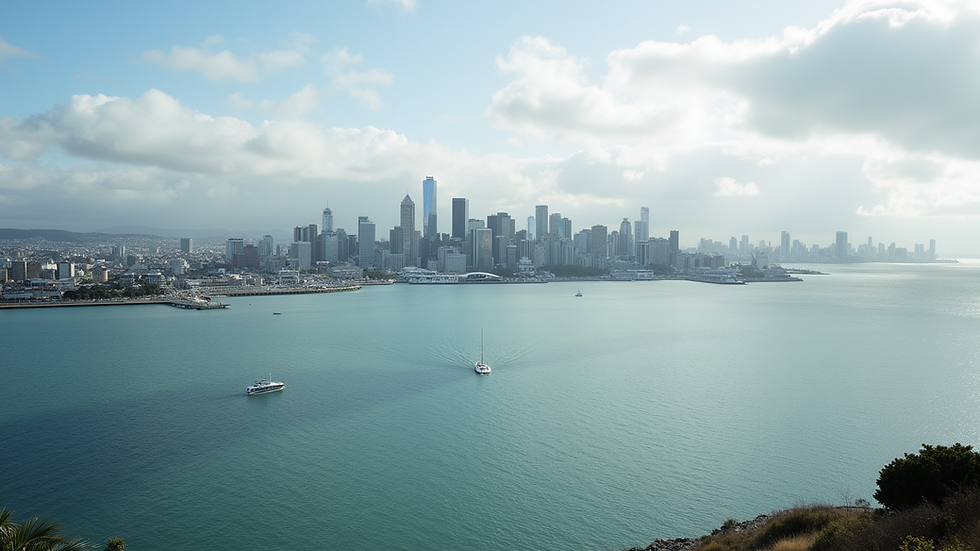
Tamaki Makaurau, known as Auckland in English, is a region rich in history, culture, and natural beauty. At the heart of this vibrant area are the Mana Whenua, the indigenous Māori tribes who have been the guardians of this land for centuries. Understanding their role is crucial not only for appreciating the cultural heritage of Tamaki Makaurau but also for fostering a deeper connection with the land itself.
The Significance of Mana Whenua
Mana Whenua refers to the authority and rights of Māori tribes over their ancestral lands. This concept is deeply rooted in the Māori worldview, where land is not merely a resource but a living entity that holds spiritual significance. The Mana Whenua of Tamaki Makaurau include several iwi (tribes), each with its own unique history, traditions, and connection to the land.
Historical Context
The history of Mana Whenua in Tamaki Makaurau dates back to the arrival of Māori in New Zealand around the 13th century. These early settlers established their presence through a series of migrations and settlements, forming a complex network of relationships with the land and each other.
The region's strategic location, with its natural harbors and fertile land, made it a focal point for trade and interaction among various iwi. Over the centuries, these tribes developed distinct identities, languages, and customs, all while maintaining a shared reverence for the land.
The Role of Mana Whenua Today
In contemporary society, Mana Whenua play a vital role in the stewardship of Tamaki Makaurau. Their responsibilities extend beyond cultural preservation; they are actively involved in environmental management, urban planning, and community development.
Environmental Stewardship
Mana Whenua are at the forefront of environmental conservation efforts in the region. They advocate for sustainable practices that honor the land and its resources. This includes initiatives aimed at restoring waterways, protecting native flora and fauna, and promoting biodiversity.
For example, the Te Awa Kairangi project, led by local iwi, focuses on restoring the health of the Hutt River and its surrounding ecosystems. This initiative not only benefits the environment but also strengthens the cultural ties of the iwi to their ancestral lands.
Urban Development
As Auckland continues to grow, the input of Mana Whenua is essential in shaping the future of the city. Their perspectives on land use, heritage sites, and community needs are invaluable in ensuring that development is respectful of Māori culture and history.
The Auckland Unitary Plan, which governs land use and development in the region, incorporates the principles of Mana Whenua. This collaborative approach ensures that the voices of indigenous communities are heard and considered in decision-making processes.
Cultural Practices and Traditions
The cultural practices of Mana Whenua are diverse and deeply intertwined with the land. These traditions are expressed through language, art, and ceremonies that celebrate their connection to Tamaki Makaurau.
Language and Storytelling
Te Reo Māori, the Māori language, is a vital aspect of cultural identity for Mana Whenua. It is not only a means of communication but also a vessel for storytelling and the transmission of knowledge.
Many place names in Tamaki Makaurau carry significant meanings that reflect the history and values of the iwi. For instance, Maungawhau (Mount Eden) is named after the sacred mountain, which holds spiritual significance for the local iwi. Understanding these names enriches our appreciation of the landscape and its stories.
Art and Expression
Art is another powerful medium through which Mana Whenua express their identity and connection to the land. Traditional Māori art forms, such as carving and weaving, are not only beautiful but also carry deep cultural meanings.
The Te Papa Tongarewa museum in Wellington showcases a range of Māori art, including intricate carvings that tell the stories of the iwi and their relationship with the land. These artworks serve as a reminder of the rich cultural heritage that continues to thrive in Tamaki Makaurau.
Ceremonies and Festivals
Ceremonies and festivals play a crucial role in the cultural life of Mana Whenua. Events such as Matariki, the Māori New Year, are celebrated with various activities that honor the land, ancestors, and community.
During Matariki, families gather to reflect on the past year, celebrate the present, and set intentions for the future. This communal aspect fosters a sense of belonging and reinforces the connection to the land and its resources.
Challenges Facing Mana Whenua
Despite their resilience and commitment to the land, Mana Whenua face several challenges in contemporary society. These challenges stem from historical injustices, urbanization, and environmental degradation.
Historical Injustices
The impact of colonization has left a lasting legacy on Mana Whenua. Land confiscations, loss of resources, and cultural suppression have significantly affected their communities.
Efforts to address these historical injustices are ongoing, with initiatives aimed at restoring land rights and promoting cultural revitalization. The Treaty of Waitangi, signed in 1840, serves as a foundational document for these efforts, although its implementation has been complex and often contentious.
Urbanization and Development Pressures
As Auckland continues to expand, the pressures of urbanization pose significant challenges for Mana Whenua. The rapid development of housing, infrastructure, and commercial projects can threaten sacred sites and natural resources.
To mitigate these impacts, Mana Whenua are actively engaged in advocacy and consultation processes. Their involvement ensures that development projects consider the cultural and environmental significance of the land.
Environmental Degradation
Environmental issues, such as pollution and climate change, disproportionately affect indigenous communities. Mana Whenua are at the forefront of addressing these challenges, advocating for sustainable practices and policies that protect the land and its resources.
For instance, the Kaitiaki (guardianship) approach emphasizes the responsibility of Mana Whenua to care for the environment. This philosophy is rooted in the belief that the health of the land is intrinsically linked to the well-being of the community.
The Future of Mana Whenua in Tamaki Makaurau
Looking ahead, the future of Mana Whenua in Tamaki Makaurau is one of hope and resilience. As they continue to navigate the complexities of modern society, their commitment to the land and its people remains steadfast.
Strengthening Cultural Identity
Efforts to revitalize Māori language and culture are gaining momentum, with initiatives aimed at educating younger generations about their heritage. Schools and community organizations are increasingly incorporating Māori perspectives into their curricula, fostering a sense of pride and identity among Māori youth.
Collaborative Partnerships
Building collaborative partnerships with local government, businesses, and community organizations is essential for the future of Mana Whenua. These partnerships can lead to innovative solutions that benefit both the indigenous community and the broader population.
For example, the Auckland Council has established a framework for engaging with Mana Whenua in decision-making processes. This collaborative approach ensures that the voices of indigenous communities are heard and respected.
Environmental Advocacy
As climate change continues to pose significant threats, Mana Whenua are poised to lead the charge in environmental advocacy. Their traditional knowledge and practices offer valuable insights into sustainable land management and conservation efforts.
By prioritizing the health of the environment, Mana Whenua can ensure that future generations inherit a thriving and sustainable Tamaki Makaurau.
Conclusion
Mana Whenua are the guardians of Tamaki Makaurau, embodying a deep connection to the land that spans centuries. Their role as stewards of the environment, advocates for cultural preservation, and active participants in community development is vital for the future of the region.
As we engage with the rich history and culture of Mana Whenua, we are reminded of the importance of respecting and honoring the land we inhabit. By fostering a deeper understanding of their perspectives and contributions, we can work together towards a more inclusive and sustainable future for all.
Embracing the wisdom of Mana Whenua not only enriches our understanding of Tamaki Makaurau but also strengthens our collective responsibility to care for the land and its people.

Comments